
How to Find Horse Boarding Stable Near Me | HorseOps Directory Home
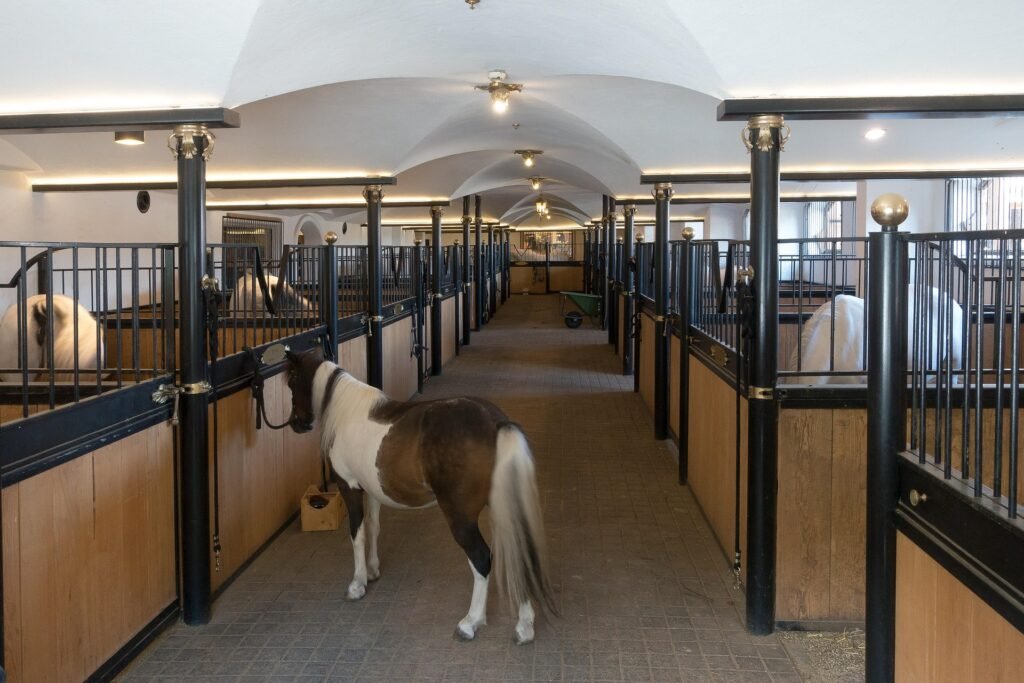
How to Find Horse Boarding Near You (And What to Look for Before You Commit)
If you’ve recently typed “horse boarding near me” into a search bar — or asked an AI assistant the same question — you’re not alone. Finding the right boarding situation for your horse is one of the most important decisions you’ll make as a horse owner. It affects your horse’s daily wellbeing, your peace of mind, and your wallet. And yet, for most people, the search process is frustratingly scattered across Facebook groups, outdated Google listings, and word-of-mouth tips that may or may not pan out.
This guide walks you through exactly how to find quality horse boarding in your area, what questions to ask, what red flags to watch for, and how a resource like HorseOps makes the whole process faster and more reliable.
Whether you’re searching for a quiet boarding stable for a retired horse or a full equestrian center with arena access and trainers on staff, HorseOps helps you filter to what fits.
Why “Horse Boarding Near Me” Is Such a Common Search
Horse ownership in the U.S. is widespread but highly localized. Most horse owners can’t keep their animals at home — zoning laws, acreage limits, and the sheer cost of building and maintaining equine facilities mean the majority of horses live at boarding facilities. According to the American Horse Council, there are an estimated 7.2 million horses in the U.S., and a large portion of them are boarded away from their owners’ primary residences.
That creates a constant, high-demand search for trustworthy local boarding options — and the challenge is that this information has historically been hard to find in one place. HorseOps was built specifically to solve that problem.
Types of Horse Boarding: Which One Is Right for Your Horse?
Before you start calling barns, it helps to know what type of boarding you’re actually looking for. Here’s a quick breakdown:
Full-Care Boarding
The barn handles everything — feeding, stall cleaning, turnout, blanketing, and basic health monitoring. This is the most hands-off option and typically the most expensive, ranging from $400 to $1,500+ per month depending on location and amenities.
Self-Care Boarding
You rent the stall or pasture space and handle all of your horse’s care yourself. Significantly cheaper — sometimes under $150/month — but requires daily visits and a serious time commitment.
Pasture Boarding
Your horse lives outside in a pasture with other horses. Usually more affordable and closer to a horse’s natural social and behavioral needs. Best for horses that do well in a herd environment and don’t require intensive individual management.
Partial-Care / Co-Op Boarding
A middle ground where you handle some tasks (like feeding) and the barn covers others (like stall cleaning). Good for owners who want to stay involved without taking on full responsibility.
What to Look for When Evaluating a Boarding Stable
Once you’ve identified a few options near you, here’s what separates a great boarding situation from a frustrating (or even dangerous) one:
• Facility condition: Walk the property. Are the fences in good repair? Are stalls clean and appropriately sized? Is there adequate shelter and shade for turnout areas? Fresh, clean water should be available at all times. A well-maintained facility tells you a lot about how the operation is run.
• Quality of hay and feed: Ask what horses are fed, how often, and whether feeding schedules are consistent. Poor-quality hay or irregular feeding is a common source of colic and other health issues. Don’t be shy about asking to see what’s in the hay shed.
• Turnout space and schedule: Horses are meant to move. Find out how many hours per day horses get outside, what size the turnout areas are, and how many horses share a space. Cramped or inadequate turnout is a welfare concern.
• Staff presence and experience: Is someone on-site daily? What’s their level of experience with horses? In an emergency, having knowledgeable staff who can recognize when something’s wrong with your horse can make all the difference.
• Vet and farrier access: Does the barn have a relationship with a local equine vet? Are regular farrier visits available? What’s the protocol if your horse needs emergency care while you’re away?
• Boarding contract: A professional barn will have a written boarding contract. Read it carefully. It should clearly outline what’s included in the monthly fee, liability terms, notice periods for leaving, and what happens in case of emergency.
If you plan to ride regularly or take lessons on-site, ask whether the facility has an arena, round pen, or access to trails — and whether independent trainers are allowed on the property.
Questions to Ask Before You Sign Anything
When you visit a prospective boarding barn, come prepared with a list of questions. Here are the most important ones:
• What’s included in the monthly boarding fee — and what costs extra?
• How is the herd managed for turnout compatibility?
• What’s your policy if my horse gets injured or sick when I’m not there?
• Can I visit anytime, or are there restricted hours?
• What is your notice policy if I need to leave?
• Do you allow my own vet, farrier, and trainer on the property?
• How do you handle feed changes if my horse has special dietary needs?
• What is your protocol during severe weather or natural disasters?
Red Flags to Watch Out For
Not every barn that shows up in a “horse boarding near me” search is the right fit — or a safe one. Here are warning signs that should give you pause:
• Reluctance to let you visit unannounced
• Thin, dull-coated horses in turnout (potential sign of underfeeding)
• No written boarding contract
• Vague answers about emergency protocols
• Overstocked pastures with little grass or cover
• Water troughs that appear dirty or infrequently cleaned
• High turnover — other boarders leaving or no long-term residents
How HorseOps Makes Finding Horse Boarding Near You Easier
Rather than piecing together information from outdated Google listings, Facebook groups, or word-of-mouth, HorseOps gives you a centralized, searchable directory of boarding facilities — organized by location, type of boarding offered, and services available.
Every listing on HorseOps includes real contact information, the services offered, and the equine specialties of the operation. Whether you’re looking for full-care stall boarding in a suburban area, pasture boarding in a rural county, or a facility with access to trails and an indoor arena, HorseOps lets you filter to what matters to you.
For boarding facility owners and barn managers, getting listed on HorseOps puts you directly in front of horse owners who are actively searching. At just $47/year for founding members, it’s one of the most affordable ways to get consistent visibility with the right audience.
What About Average Horse Boarding Costs Near Me?
Boarding costs vary widely by region, facility type, and what’s included. Here’s a general national range to help calibrate your expectations:
• Pasture boarding: $75 – $300/month
• Self-care stall boarding: $100 – $300/month
• Partial-care boarding: $250 – $500/month
• Full-care stall boarding: $400 – $1,500+/month
• Show or training barn with full care: $800 – $2,500+/month
Geographic location plays a huge role. Boarding in the Northeast or Southern California will typically run significantly higher than in the rural Midwest or Southeast. Always ask for an itemized breakdown so you know exactly what you’re getting for your money.
Ready to Find Horse Boarding Near You?
Finding the right boarding barn takes a little homework, but it’s worth the effort. Your horse spends most of their time there — it’s their home. Taking the time to visit in person, ask the right questions, and review the contract before signing goes a long way toward building a stable, safe situation for your horse and peace of mind for you.
HorseOps makes it easier to start that search. Browse boarding facilities in your area, filter by the type of care you need, and connect directly with barn owners and managers — all in one place.
Start your search at HorseOps.com — the national directory built for the equine community.