
How to Find a Farrier Near Me | HorseOps Equine Directory
How to Find a Farrier Service Near You (And What Every Horse Owner Should Know About Hoof Care)
No hoof, no horse. It’s one of the oldest sayings in the equine world, and it’s as true today as it’s ever been. Your horse’s hooves are the foundation of everything — their soundness, comfort, performance, and long-term health all depend on quality, consistent hoof care. And quality hoof care starts with finding the right farrier.
For new horse owners especially, finding a farrier service near you can feel intimidating. The farriery profession isn’t regulated the same way veterinary medicine is, there’s no single national or state farrier directory, and good farriers in high-demand areas often have full books with waitlists. This guide walks you through exactly what farriers do, how to evaluate one, what to pay, and how to make sure your horse never goes without proper hoof care.
What Does a Farrier Actually Do?
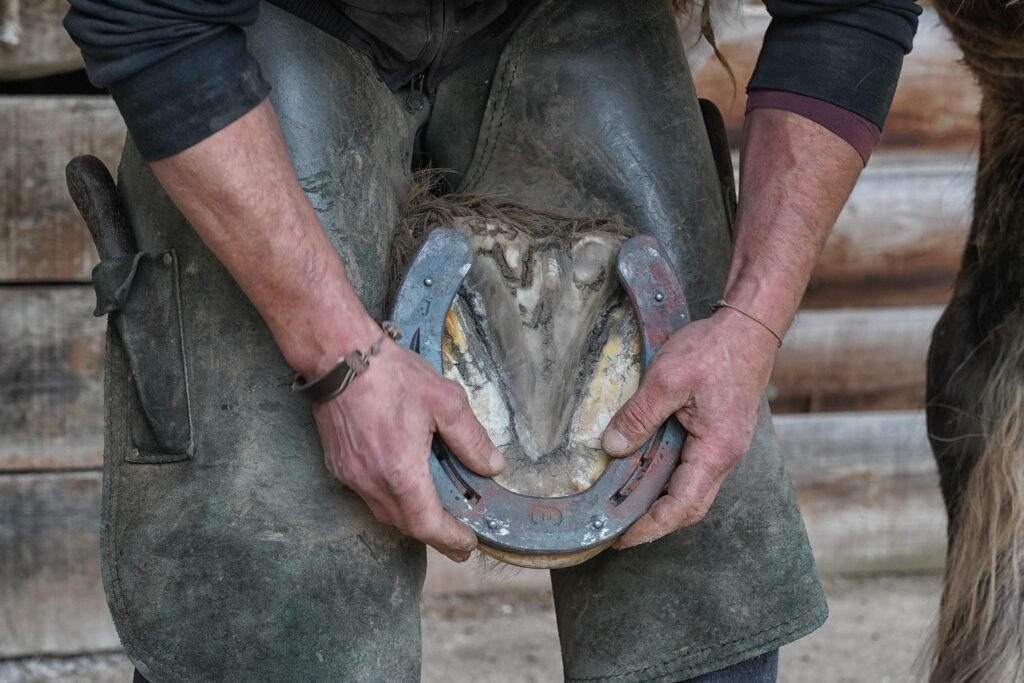
A farrier is a skilled tradesperson who specializes in equine hoof care. Their industry work falls into two main categories: trimming and shoeing. At a basic trim appointment, the farrier assesses hoof balance, removes excess hoof wall growth, shapes the hoof, and addresses any developing issues like flaring, chipping, or uneven wear. For shod horses, they also remove old shoes, trim and shape the hoof, and apply new shoes — either pre-made or hand-forged to fit.
Good farriers do far more than just nail on shoes, though. They assess the horse’s conformation and movement, identify early signs of hoof problems like thrush, white line disease, or laminitis, work closely with equine vets on therapeutic shoeing for horses with medical conditions, and provide guidance on hoof care between visits. A skilled farrier is genuinely one of the most important members of your horse’s care team.
How Often Does Your Horse Need Farrier Service?
Most horses need farrier attention every 6 to 8 weeks, though this varies depending on the individual animal, their workload, the season, and whether they’re shod or barefoot. Hooves grow faster in warm months and slower in winter, so some owners adjust their schedule seasonally. Horses in heavy work — competing, trail riding regularly, or working on hard surfaces — may need more frequent visits than a horse on light pasture turnout.
Signs your horse is overdue for a farrier visit include:
• Hooves that look visibly long, flared, or uneven
• Loose, shifting, or sprung shoes
• Chips or cracks developing in the hoof wall
• Changes in movement or a reluctance to work on hard ground
• Shoes that have been on longer than 8 weeks, where hoof size has changed/grown
Don’t wait until problems are visible to schedule your farrier. Consistent, proactive appointments prevent the hoof issues that lead to lameness — which is far more expensive and stressful to treat than it is to prevent.
Shod vs. Barefoot: What’s Right for Your Horse?
One of the first decisions horse owners face is whether to shoe their horse or keep them barefoot. There’s genuine debate in the equine world on this topic, and the honest answer is that it depends entirely on the individual horse and what disciplines you expect them to serve.
Barefoot
Many horses do perfectly well barefoot, particularly those living on softer ground, doing light to moderate work, and with naturally strong hoof walls. Barefoot horses still need regular trimming — typically every 4 to 6 weeks — to maintain balance and prevent overgrowth. Barefoot trimming isn’t a lower-maintenance option, just a different one.
Shod
Horses in regular work, working on hard or rocky terrain, with thin hoof walls, or with conformational issues that affect how they load their feet often benefit from shoeing. Shoes provide protection, traction, and can correct or compensate for movement irregularities. Therapeutic shoeing — including pads, wedges, and specialty shoes — is also a critical tool for managing conditions like navicular disease and laminitis.
Your farrier and equine vet are the best resources for making this decision for your specific horse. A good farrier will give you an honest assessment rather than pushing you toward whichever option they personally prefer.
What to Look for in a Farrier You Can Trust
Because farriery isn’t nationally regulated in the U.S., quality varies widely. Here’s what separates a skilled, professional farrier from someone you’d rather not have working on your horse:
• Certification: Look for farriers certified through the American Farrier’s Association (AFA). The AFA offers several certification levels — Farrier Certified (CF) and Journeyman Farrier (CJF) being the most recognized. These certifications require demonstrated practical skill and written knowledge. A CJF designation is a strong signal of serious professional commitment.
• Education and training: Farriers who attended a reputable farriery school or completed a formal apprenticeship have a stronger foundation than those who are self-taught. Ask about their training background — a confident professional won’t hesitate to share it.
• Veterinary relationships: A great farrier works closely with equine vets. They refer to vets when they see something outside their scope, accept referrals for therapeutic shoeing cases, and communicate openly about a horse’s condition. This collaborative approach is a hallmark of a true professional.
• Calm horse handling: Watch how a farrier interacts with horses. They should be patient, firm when necessary, and never rough or aggressive. A horse that’s difficult to shoe is often responding to a bad handling experience — not just being stubborn.
• Clean, organized equipment: A farrier who takes pride in their work takes pride in their tools. Sharp, well-maintained tools make cleaner cuts, cause less trauma to the hoof, and produce better outcomes.
• Punctuality and communication: Farriers who show up on time, communicate clearly about scheduling, and let you know when they’re running late are easier to work with and more reliable over the long term.
How Much Does a Farrier Cost?
Farrier costs vary by region (sometimes even as specific as county), the type of service, and the farrier’s experience level. Here’s a general national price range to help set expectations:
• Basic trim (barefoot): $35 – $75
• Full shoe (all four feet) – price depends on hot or cold shoeing: $100 – $200+
• Front shoes only: $75 – $130
• Reset (reuse existing shoes): $75 – $150
• Therapeutic / corrective shoeing: $150 – $350+
Geographic location plays a significant role — farrier rates in the Northeast and West Coast tend to run higher than in the rural Midwest and Southeast. Emergency call-out fees (for a lost shoe between appointments) typically add $25–$75 on top of regular service rates. Budget farrier costs into your monthly horse ownership expenses from day one.
List of Questions to Ask a New Farrier
When you’re vetting a new farrier in your area — especially as a first-time horse owner — these questions will quickly tell you whether they’re a good fit:
• Are you AFA certified, and what level?
• How long have you been practicing, and what’s your training background?
• Do you have experience with my horse’s breed or specific hoof concerns?
• How do you handle a horse that’s difficult about having their feet done?
• What’s your policy on emergency calls for lost shoes?
• Do you work with equine vets for therapeutic shoeing cases?
• Can you provide references from other clients in my area?
Equine Hoof Care Between Farrier Visits
Your farrier handles the major work, but daily hoof care between visits is your responsibility as a horse owner. Building these habits into your routine will keep your horse comfortable and help your farrier do their best work:
• Pick hooves daily: Do not neglect this! Remove packed dirt, rocks, and manure from the hoof every day — ideally before and after riding. This prevents thrush, a bacterial infection that thrives in moist, dirty hooves, and lets you spot problems early.
• Monitor for thrush: Thrush smells distinctly foul and causes black, soft, or crumbling tissue in the frog. Caught early it’s easy to treat. Left unchecked it can cause significant lameness.
• Check shoes after every ride: Run your hand around each shoe to feel for looseness, risen clinches, or sprung heels. A shoe that’s starting to shift should be addressed quickly before it causes injury.
• Apply hoof conditioner appropriately: Dry, brittle hooves may benefit from a conditioner or dressing. Ask your farrier what they recommend for your horse’s specific hoof type and climate — over-moisturizing can be as damaging as under-moisturizing, and maintaining proper hoofcare results in a healthy, sound, and safe equine companion.
• Provide good footing: Horses standing in wet, muddy conditions develop soft, compromised hooves. Providing dry, clean footing in stalls and high-traffic areas makes a meaningful difference in overall hoof health.
Find and Contact a Farrier Near You on HorseOps
Finding a reliable farrier used to mean relying almost entirely on word of mouth — asking other boarders at your barn, posting in Facebook groups, or calling around with no real way to evaluate who you were calling. HorseOps changes that by providing a searchable national directory of equine professionals organized by location and specialty.
Whether you’re a new horse owner looking for your first farrier or relocating to a new area and rebuilding your care team from scratch, HorseOps helps you find qualified professionals near you with real contact information and service details in one place.
If you’re a farrier looking to reach more horse owners in your service area, a listing on HorseOps puts you directly in front of people actively searching for hoof care services. At just $47/year for founding members, it’s one of the most cost-effective ways to stay visible in a competitive market.
Frequently Asked Questions About Farriers
What is the difference between a farrier and a vet?
A farrier specializes in hoof care — trimming, balancing, and shoeing. An equine veterinarian handles medical diagnosis and treatment. The two roles overlap when it comes to hoof-related lameness issues, which is why good farriers and vets communicate regularly. Some hoof conditions (like laminitis or navicular disease) require both professionals working together to manage effectively. Finding a farrier who cares and one you can trust is a critical component of horse ownership.
How do I find a farrier if I just got my first horse?
Start by asking the barn where your horse is boarded — most boarding facilities have a farrier they work with regularly and can make a direct introduction. You can also check the American Farrier’s Association member directory, ask your equine vet or local rescue for a referral, or search equine service directories like HorseOps to find professionals in your area.
Can I switch farriers if I’m not happy with my current one?
Yes — you can change farriers at any time. It’s professional courtesy to let your current farrier know you’re making a change rather than simply not booking again, but you’re under no obligation to stay with someone whose work you’re not satisfied with. When switching, your new practitioner will appreciate any notes or history about your horse’s hoof challenges or past shoeing approaches.
What should I do if my horse throws a shoe between appointments?
Contact your farrier as soon as possible. Most farriers accommodate lost shoes as emergency calls, though an additional fee typically applies. In the meantime, limit your horse’s work on hard surfaces and check the bare foot daily for bruising or sensitivity. If the exposed hoof is at risk of cracking or chipping, a temporary hoof boot can provide protection until your farrier arrives.
Your Horse Deserves Great Hoof Care — Start Here
Finding a great farrier for your horse or farm is one of the most important things you’ll do for your horse’s long-term soundness and quality of life. Take the time to find someone qualified, experienced, and communicative — and once you find a good one, treat them well. Reliable clients with well-mannered horses get priority scheduling, and that relationship pays dividends for years.
Search for farriers and equine professionals in your area at HorseOps.com — the national directory built for the equine community.